
How Can Food Waste Recycling Benefit Businesses?
Food waste recycling helps manufacturers and distributors recover organic materials, reduce reliance on landfills, and identify opportunities to improve waste management costs. Effective programs involve separating suitable food waste, selecting appropriate processing methods, and tracking recovery performance across multiple facilities.
Northstar Recycling manages more than 6.7 billion pounds of material annually across 3,000+ sites, supported by a network of 5,000+ verified partners. Our experience coordinating complex waste and recycling programs helps businesses address operational challenges while maintaining consistent oversight across locations.
At Northstar Recycling, we provide vendor-agnostic managed services that help businesses identify suitable food waste recycling solutions, coordinate service providers, and improve reporting. Our approach supports measurable progress toward operational and sustainability goals while accommodating each facility’s specific needs.
Get in touch
What Is Food Waste Recycling?
Food waste recycling involves collecting and processing discarded food and suitable organic materials so they can be recovered for beneficial use rather than sent to landfills. Depending on the material and available processing facilities, suitable pathways may include composting, anaerobic digestion, or other organic recovery methods.
For manufacturers, this may involve separating food scraps and production byproducts from packaging waste. Distributors may need solutions for unsellable or expired inventory.
At Northstar Recycling, we help businesses identify suitable recycling outlets and coordinate services based on their specific waste streams.
Reducing food waste at the source should always come first. Preventing production losses, redistributing safe surplus food, and exploring reuse opportunities can reduce the amount requiring recycling. It’s also important to distinguish recycling from energy recovery and disposal when tracking landfill diversion and sustainability performance.
See Where Your Waste Streams Stand
Our team reviews volumes, service agreements and recycling performance across your facilities.
Why Food Waste Recycling Matters for Businesses
Food waste recycling helps businesses reduce dependence on landfills, recover valuable organic materials, and improve sustainability performance. When food waste decomposes in landfills without oxygen, it generates methane, a potent greenhouse gas.
At Northstar Recycling, we help manufacturers and distributors identify practical recovery solutions that reduce unnecessary disposal and improve waste management efficiency.
Reducing Food Waste Before Recycling
Preventing waste should always come first. The EPA’s Wasted Food Scale prioritizes reducing wasted food and directing edible surplus to people before considering other recovery methods.
Businesses can identify opportunities to reduce losses during purchasing, production, quality control, and distribution. For materials that cannot be prevented, donated, or reused, organic recycling provides another recovery option.
Managing Food Waste Across Multiple Facilities
Managing food waste becomes more complicated when facilities generate different materials. One location may produce bakery residues, another vegetable scraps, and another expired packaged inventory.
We help businesses coordinate recycling programs across locations while accounting for regional organics regulations, available processing facilities, and material acceptance requirements. Our approach supports consistent waste management practices while allowing each facility to meet its local operational needs.
What Types of Food Waste Can Businesses Recycle?
Commercial food waste includes materials generated during manufacturing, quality control, storage, and distribution. At Northstar Recycling, we help businesses evaluate their waste streams and identify suitable recovery options based on material composition, contamination levels, and processor requirements.
Food Scraps, Production Byproducts, and Unsellable Inventory
Common materials include fruit and vegetable trimmings, bakery leftovers, grain residues, and food processing byproducts. Businesses may also generate damaged inventory, expired products, or unsellable production batches. Many of these materials may qualify for organic recycling when properly separated and handled.
Food waste can be cooked or raw, but acceptance depends on the processing facility. Meat, dairy, oily residues, and mixed ingredients may require specialized handling or different recovery methodsdecisions.
Packaged Food Waste and Material Acceptance Requirements
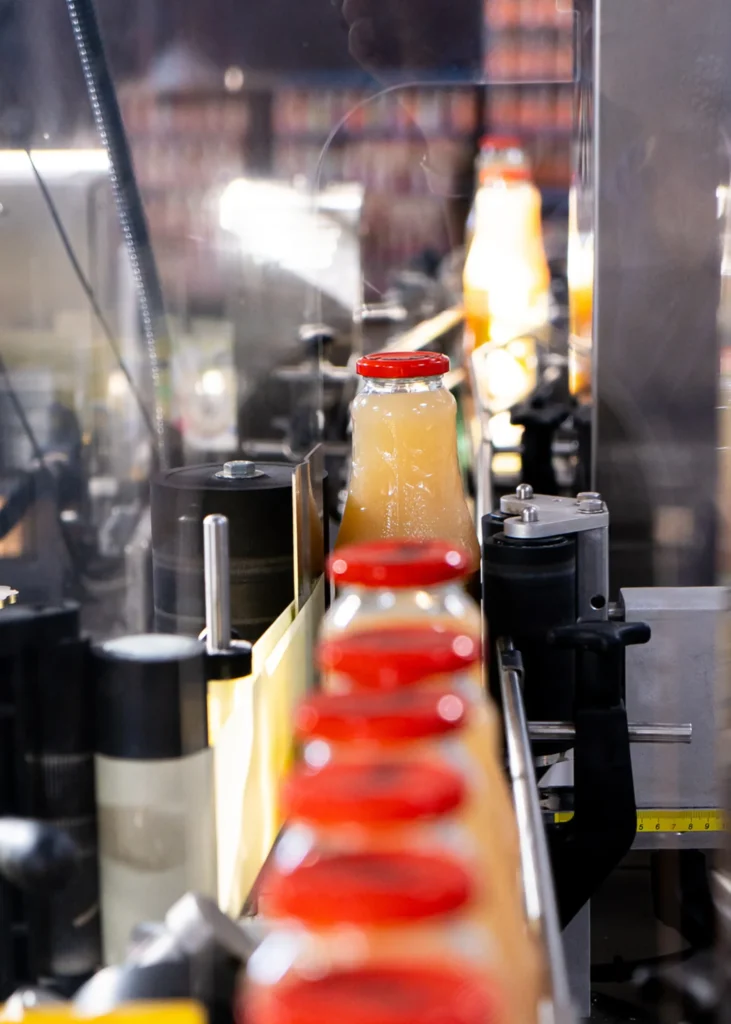
Unsellable food products often contain cardboard, plastic wrappers, bottles, or other packaging. Some specialized facilities use depackaging equipment to separate organic materials from packaging, allowing suitable contents to enter recovery streams.
However, not all facilities accept packaged food or products labeled compostable. We help businesses identify appropriate service providers and confirm material acceptance requirements before implementing recycling programs.
Businesses managing unsellable or recalled inventory may also need product destruction services to prevent unauthorized reuse or distribution while evaluating appropriate material recovery options.
How Does Commercial Food Waste Recycling Work?
Commercial food waste recycling involves identifying organic waste streams, separating suitable materials, and connecting them with appropriate processing facilities.
At Northstar Recycling, we help businesses coordinate organics management solutions, including composting, anaerobic digestion, biofuel conversion, and land application, depending on material characteristics and available outlets.
Composting Converts Organic Waste Into Useful Materials
Composting uses oxygen and microorganisms to break down suitable organic materials into compost, a useful product that improves soil structure and supports nutrient cycling.
Commercial composting services accommodate larger waste volumes than home composting does while adhering to specific material acceptance requirements.
Facilities processing vegetable scraps may not accept meat, dairy, packaging, or compostable products. We help businesses identify suitable composting partners and establish collection practices that keep materials properly separated.
Anaerobic Digestion and Other Organic Recovery Methods
Anaerobic digestion breaks down organic materials without oxygen, producing biogas and a remaining material called digestate. Depending on its quality and applicable requirements, digestate may have beneficial uses. Biogas used for energy should be tracked separately from material recycling to maintain accurate sustainability reporting.
Other options include biofuel conversion and appropriate land application programs. Choosing the right recovery method depends on waste composition, transportation costs, processing fees, local regulations, and facility availability.
Our vendor-agnostic approach allows us to evaluate these factors and coordinate practical solutions rather than directing every waste stream to the same processing facility.
What Are the Business Benefits of Food Waste Recycling?
A well-managed food waste recycling program can help businesses control costs, improve efficiency, and make measurable progress on sustainability. At Northstar Recycling, we develop solutions based on each facility’s waste streams, operational needs, and existing service agreements.
Cost control:
- We evaluate disposal charges, collection schedules, transportation, and processing fees to identify potential savings. Recycling is not always less expensive, so we consider total program costs.
Operational efficiency:
- Consistent material separation and coordinated vendor schedules help reduce service disruptions across multiple facilities.
Sustainability progress:
- Tracking organic material recovery and landfill disposal helps businesses measure progress toward environmental goals.
Better oversight:
- Our centralized reporting provides procurement, operations, and sustainability teams with clearer visibility into costs, recycling performance, and vendor accountability.
How Does Northstar Recycling Support Measurable Recycling Results?
Managing food waste recycling across multiple facilities requires more than identifying a processing outlet. Businesses need reliable service providers, consistent material tracking, and visibility into program costs and performance.
At Northstar Recycling, we help manufacturers and distributors coordinate these responsibilities through our vendor-agnostic network, centralized reporting, and ongoing program management.
| Program Capability | How It Supports Businesses |
|---|---|
| Vendor-Agnostic Solutions | Evaluate recovery outlets based on material types, costs, and facility requirements. |
| Multi-Site Coordination | Maintain consistent recycling procedures while accommodating regional processing requirements. |
| Centralized Reporting | Track material volumes, disposal costs, recycling performance, and vendor accountability. |
| Continuous Improvement | Identify service inefficiencies, contamination issues, and opportunities to improve material recovery. |
Through our Analyze, Execute, and Evolve process, we assess existing waste streams, coordinate recycling services, and monitor results to support ongoing program improvements.
Common Challenges in Commercial Food Waste Recycling
Commercial food waste recycling programs must address contamination, collection logistics, and the availability of processing facilities. Packaging, improper storage, and inconsistent material separation can prevent otherwise suitable organic waste from being recovered.
Transportation costs, sanitation requirements, and local processing capabilities also affect program feasibility, particularly for multi-site operations.
At Northstar Recycling, we coordinate service providers, equipment, and collection procedures to help businesses address these challenges while accommodating individual facility requirements.
How to Implement a Successful Food Waste Recycling Program
For multi-site operations, a successful rollout also requires clear responsibilities. Facility managers should understand collection procedures, while procurement and sustainability teams need visibility into vendor performance and material destinations. We help coordinate these responsibilities so each location follows consistent program standards while addressing its own operational requirements.
Assess Waste Streams and Identify Appropriate Recycling Solutions
Begin by reviewing the types and volumes of food waste generated, current disposal methods, vendor contracts, and costs. Identify opportunities to prevent unnecessary waste or redistribute suitable surplus before selecting recycling options for remaining materials.
Assess storage capacity, collection equipment, transportation needs, and contamination risks. For businesses with multiple locations, available recycling facilities and local requirements may differ.
At Northstar Recycling, our Analyze stage evaluates existing waste streams and service arrangements to identify practical improvements. Our vendor-agnostic approach helps us recommend solutions that align with your operational needs, costs, and sustainability goals.
Coordinate Collection and Standardize Facility Procedures
Once appropriate recovery outlets are identified, establish designated collection areas, clear signage, employee training, and reliable pickup schedules.
During our Execute stage, we coordinate service providers, equipment, and collection schedules to support smooth implementation. Through Evolve, we monitor recycling performance, address service issues, and identify opportunities to improve efficiency and reduce landfill disposal over time.
How Can Businesses Measure Food Waste Recycling Success?
Businesses can measure food waste recycling performance by tracking material volumes, processing destinations, disposal costs, and landfill diversion. Operational metrics such as contamination rates, rejected loads, and missed collections provide additional insight.
Accurate reporting should distinguish material recycling, energy recovery, and disposal to support defensible sustainability claims.
At Northstar Recycling, our centralized reporting consolidates waste volumes, costs, and vendor performance across multiple facilities, giving businesses a single source of truth for monitoring results and identifying opportunities for improvement.
Frequently Asked Questions
What is food waste recycling?
Food waste recycling involves collecting suitable food scraps and other organic materials for processing into useful resources rather than sending them to landfills.
What types of food waste can businesses recycle?
Common materials include production scraps, bakery residues, processing byproducts, and unsellable food. Acceptance depends on material composition and processing facility requirements.
Can cooked or raw food scraps be recycled?
Yes, both may qualify. However, meat, dairy, oils, and mixed ingredients may require specialized processing, depending on the facility’s acceptance rules.
How does food waste recycling differ from composting?
Composting is one method of recycling food waste. Other options include anaerobic digestion and suitable processes for organic material recovery.
Can businesses recycle packaged food products?
Some specialized facilities use depackaging equipment to separate food from packaging. Acceptance depends on the materials and processor capabilities.
Are compostable products accepted in commercial food recycling programs?
Not always. Compostable products must meet the receiving facility’s acceptance requirements, which vary by equipment and processing methods.
Can food waste recycling reduce business disposal costs?
Potentially. Savings depend on collection schedules, transportation expenses, processing fees, and waste volumes. At Northstar Recycling, we evaluate total program costs to identify opportunities.
How does recycling food waste help the environment?
Recycling suitable food waste can reduce reliance on landfills, support nutrient recovery, and help limit emissions from the decomposition of organic materials.
What equipment is needed for commercial food waste recycling?
Businesses may need designated collection containers, suitable storage areas, and specialized equipment, depending on waste volumes and material-handling requirements.
How do businesses choose a commercial food waste recycling provider?
Consider accepted materials, geographic coverage, service reliability, costs, and reporting capabilities. Northstar Recycling helps businesses coordinate qualified providers and manage recycling programs across multiple facilities.
Conclusion
Food waste recycling helps manufacturers and distributors reduce landfill waste, recover valuable materials, and improve operational efficiency. At Northstar Recycling, we simplify waste and recycling management through vendor-agnostic managed services, coordinated recycling partners, and centralized, data-driven reporting.
Our team helps multi-site businesses identify practical recovery opportunities while maintaining the flexibility to address individual facility requirements. Contact us to discuss your food waste recycling needs and explore opportunities to improve your program.
Recycle More, Landfill Less
Enterprise outcomes come from disciplined execution, accurate data and continuous improvement, consistently applied across every site.
Proven Results Across Complex, Multi-Site Programs
- FOOD & BEVERAGE
- MULTI-SITE
$1M Savings Commitment Met in 18 Months
A global food manufacturer managed waste site by site across more than 40 North American locations. Each plant held its own vendors and contracts, data did not aggregate, and no stream was being remarketed, leaving some services priced well off market.
We launched one national program that remarketed every stream and added consolidated reporting and a savings tracker. The customer reached $1,173,174 in annualized productivity in 18 months, meeting its five year, $1M commitment about three and a half years early.
- CONSUMER GOODS
- MULTI-SITE
Cutting Incineration, Keeping Zero Waste to Landfill
A global consumer packaged goods manufacturer had reached zero waste to landfill, largely by relying on incineration. At one facility, about $2 million a year went to solidifying and incinerating a single high strength wastewater stream trucked to a few distant outlets.
We routed each stream to its highest value compliant outlet, moving qualified liquids to wastewater treatment with traceability intact. One facility now saves about $1 million a year, roughly 50 percent on that stream, and the approach was replicated at a second facility.
See What a Managed Waste Program Delivers
Real results in cost savings, landfill diversion, and Zero Waste programs for manufacturers and distributors.
- Seven figure savings scaled across 70+ locations
- A 98% landfill operation turned into a Zero Landfill program
- Standardized programs across 80+ manufacturing facilities
Ready to Simplify Waste Across Your Sites?
Talk with our team about your waste streams and where costs can come down.
Evaluate Your Waste Streams with Northstar
One sentence that closes the page.