
Best Practices Every Facility Should Follow
Industrial waste management helps manufacturing facilities identify, sort, collect, recycle, and responsibly dispose of materials generated during production and daily operations. A practical program begins by assessing waste streams, establishing handling procedures, coordinating with service providers, and tracking costs and material recovery. At Northstar Recycling, we help manufacturers manage these activities across multiple locations through asset-light, vendor-agnostic managed services and centralized reporting.
Get in touch
Understanding Industrial Waste Management in Manufacturing Facilities
Manufacturing waste can originate in production, packaging, maintenance, storage, and shipping areas. Each source may call for different containers, handling procedures, or recovery options.
A successful program distinguishes materials that can be reused or recycled from those that require treatment or disposal, and then matches each stream to an appropriate service.
For manufacturers operating multiple locations, consistency is especially important. Each facility may generate different materials, work with separate service providers, and require different collection schedules.
Northstar Recycling helps multi-site manufacturers align service expectations while adapting collection and recovery practices to the materials and requirements at each facility.
See Where Your Waste Streams Stand
Our team reviews volumes, service agreements and recycling performance across your facilities.
Common Types of Industrial Waste and Their Management Requirements
Manufacturing facilities generate various types of industrial waste depending on the materials and production processes used. Understanding these waste streams helps businesses determine appropriate handling, recycling, and disposal methods.
Common recyclable materials include cardboard, paper, plastics, packaging, scrap metals, and certain wood products. Food and beverage manufacturers may also generate organic waste and production byproducts suitable for recovery programs.
Nonhazardous industrial waste includes materials that do not meet hazardous waste criteria but still require appropriate management. Some industrial activities also produce hazardous or regulated materials, including certain chemical waste and specialty manufacturing byproducts that require specialized handling.
Recycling opportunities depend on material composition, contamination, volume, and available processing options. Our team helps manufacturers evaluate their waste streams and identify suitable recycling, recovery, and disposal solutions. For hazardous and regulated materials, Waste Technology Services (WTS), a Northstar company, provides specialized expertise.
Assess Waste Streams and Reduce Manufacturing Waste at the Source
Effective industrial waste management starts with understanding what your facilities generate and how those materials are handled. Our team assesses existing waste streams, service costs, and collection practices to identify opportunities for improvement.
Evaluate Existing Waste Streams and Disposal Practices
Begin by reviewing waste generated throughout production, packaging, storage, and distribution areas. Identify the materials entering each collection container and estimate their volumes.
Examine vendor invoices, collection schedules, equipment, and disposal methods. Look for overflowing dumpsters, unnecessary pickups, inconsistent service, or recyclable materials entering general waste containers.
Documenting these findings establishes a baseline for measuring performance. It also helps operations and procurement teams prioritize improvements based on actual facility needs.
Reduce Manufacturing Waste Through Prevention and Reuse
Reducing waste at its source can lower the amount of material requiring collection, recycling, or disposal. Manufacturers can limit production scrap, reduce unnecessary packaging, and improve material utilization. Procurement teams can review purchasing practices to identify opportunities to reduce excess supplies.
Reusable pallets, containers, and suitable manufacturing materials may also help prevent waste generation. At Northstar Recycling, we help businesses identify opportunities to improve material recovery and reduce unnecessary disposal. These efforts can support more efficient operations while helping manufacturers make better use of their resources.
Improve Waste Sorting, Handling, and Collection Procedures
Proper waste sorting, employee training, and collection equipment help manufacturing facilities reduce contamination, improve recycling, and avoid unnecessary service costs.
Establish Clear Waste Sorting and Employee Training Procedures
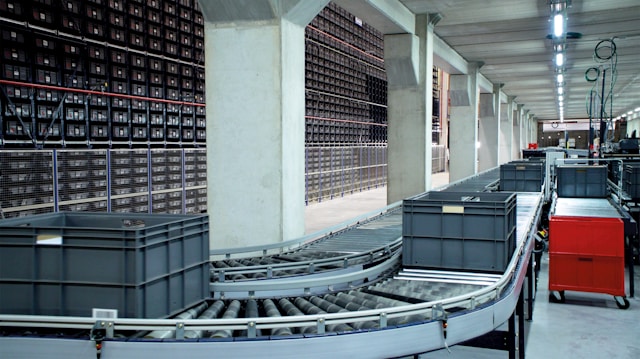
Separating materials at the source helps prevent contamination and preserve recycling opportunities. Facilities should use clearly labeled containers for cardboard, plastics, metals, and general waste.
Employees should understand which materials belong in each container and how improper sorting affects recycling. Training should cover waste handling procedures, contamination prevention, and reporting issues.
Regular communication across production shifts helps maintain consistent practices, especially when manufacturing processes or recycling requirements change.
Select Appropriate Waste Collection Equipment and Schedules
Waste collection equipment should match the materials and volumes generated by each facility. Dumpsters typically handle general waste, while compactors and balers can manage larger quantities of suitable materials.
Improperly sized equipment and inefficient pickup schedules can lead to overflow, unnecessary expenses, and operational disruptions.
At Northstar Recycling, we help manufacturers evaluate equipment needs, coordinate collection schedules, and identify opportunities to improve service efficiency.
Maintain Environmental Compliance and Responsible Waste Disposal
Industrial waste management is governed by numerous laws and regulations that vary by waste classification and location. Manufacturers must follow applicable requirements for waste storage, transportation, documentation, and disposal.
Working with qualified service providers can support compliance, but businesses remain responsible for their applicable waste management obligations.
Manage Hazardous, Nonhazardous, and Regulated Waste Responsibly
Proper waste classification determines which handling and disposal requirements apply. Nonhazardous industrial materials may be suitable for recycling, recovery, or disposal. Hazardous and regulated waste may require specialized storage, transportation, treatment, and documentation.
Landfills are used for materials requiring disposal, while appropriate recycling and recovery options can help reduce reliance on landfills.
Facilities should confirm waste classifications and handling requirements before selecting a service provider or disposal method.
Coordinate Industrial Waste Management Across Multiple Facilities
Managing industrial waste across multiple facilities can be challenging. Different service providers, collection schedules, and billing practices make it harder to control costs and maintain consistent operations.
A coordinated program can establish shared service standards while preserving the flexibility required by individual facilities.
Standardize Vendor Services and Plan for Collection Disruptions
Consistent collection requirements, reporting standards, and communication procedures help manufacturers maintain reliable waste management services across locations.
Facilities should also prepare for missed pickups, equipment failures, and unexpected increases in waste volumes. Clear escalation procedures and alternative service arrangements can help minimize disruptions.
At Northstar Recycling, our asset-light, vendor-agnostic approach allows us to coordinate qualified service providers based on each facility’s needs. Dedicated support helps resolve service issues and maintain accountability across vendors and locations.
Our network of more than 5,000 verified service partners supports waste and recycling programs across the 3,000+ sites we manage, helping manufacturers maintain consistent services while meeting each facility’s needs.
Measure Waste Management Performance and Improve Material Recovery
Tracking waste management performance helps manufacturers identify unnecessary expenses, improve recycling, and measure environmental progress.
The following measures connect program performance to practical decisions:
| Measure | What it shows | How a facility can use it |
|---|---|---|
| Material volume by stream | Which materials and locations generate the most waste | Prioritize prevention, reuse, or recovery opportunities |
| Collection cost and frequency | Where service levels may exceed actual demand | Review container sizing and pickup schedules |
| Recycling and landfill diversion | How materials move into recovery versus disposal | Identify streams that need better separation or recovery options |
| Missed pickups and service issues | Where vendor performance affects operations | Adjust service expectations and escalation procedures |
Accurate reporting should distinguish recycling, energy recovery, and disposal rather than treating all diverted material as recycled.
We consolidate waste and recycling data into a single source of truth, giving manufacturers greater visibility into costs and material recovery. This supports defensible reporting and helps us identify opportunities for operational improvements and increased landfill diversion.
At Northstar Recycling, we manage more than 6.7 billion pounds of material annually, with a reported average landfill diversion rate of 88%.
Develop an Effective Industrial Waste Management Improvement Plan
An effective industrial waste management plan requires clear goals, defined responsibilities, and ongoing performance reviews.
At Northstar Recycling, we follow a three-stage approach:
Analyze
Assess waste streams, vendor agreements, equipment, costs, and recycling performance to identify opportunities for improvement.
Execute
Coordinate service providers, optimize collection procedures, and implement recycling solutions with minimal operational disruption.
Evolve
Monitor results, address service issues, and identify opportunities to reduce costs and increase landfill diversion.
We work with procurement, operations, and sustainability teams to ensure that waste management programs continue to meet facility needs as production demands and waste volumes change.
Manufacturers can begin by identifying their most pressing operational challenges and prioritizing improvements based on facility needs. Contact Northstar Recycling to discuss practical solutions for your industrial waste management program across multiple locations.
Frequently Asked Questions
Conclusion
An effective industrial waste management program should be reviewed as materials, production requirements, and service needs change. Contact Northstar Recycling to discuss your current waste streams and the next steps for improving service efficiency, material recovery, and reporting across your facilities.
Recycle More, Landfill Less
Enterprise outcomes come from disciplined execution, accurate data and continuous improvement, consistently applied across every site.
Proven Results Across Complex, Multi-Site Programs

- FOOD & BEVERAGE
- MULTI-SITE
$1M Savings Commitment Met in 18 Months
A global food manufacturer managed waste site by site across more than 40 North American locations. Each plant held its own vendors and contracts, data did not aggregate, and no stream was being remarketed, leaving some services priced well off market.
We launched one national program that remarketed every stream and added consolidated reporting and a savings tracker. The customer reached $1,173,174 in annualized productivity in 18 months, meeting its five year, $1M commitment about three and a half years early.
- CONSUMER GOODS
- MULTI-SITE
Cutting Incineration, Keeping Zero Waste to Landfill
A global consumer packaged goods manufacturer had reached zero waste to landfill, largely by relying on incineration. At one facility, about $2 million a year went to solidifying and incinerating a single high strength wastewater stream trucked to a few distant outlets.
We routed each stream to its highest value compliant outlet, moving qualified liquids to wastewater treatment with traceability intact. One facility now saves about $1 million a year, roughly 50 percent on that stream, and the approach was replicated at a second facility.
See What a Managed Waste Program Delivers
Real results in cost savings, landfill diversion, and Zero Waste programs for manufacturers and distributors.
- Seven figure savings scaled across 70+ locations
- A 98% landfill operation turned into a Zero Landfill program
- Standardized programs across 80+ manufacturing facilities
Ready to Simplify Waste Across Your Sites?
Talk with our team about your waste streams and where costs can come down.
Evaluate Your Waste Streams with Northstar
One sentence that closes the page.